
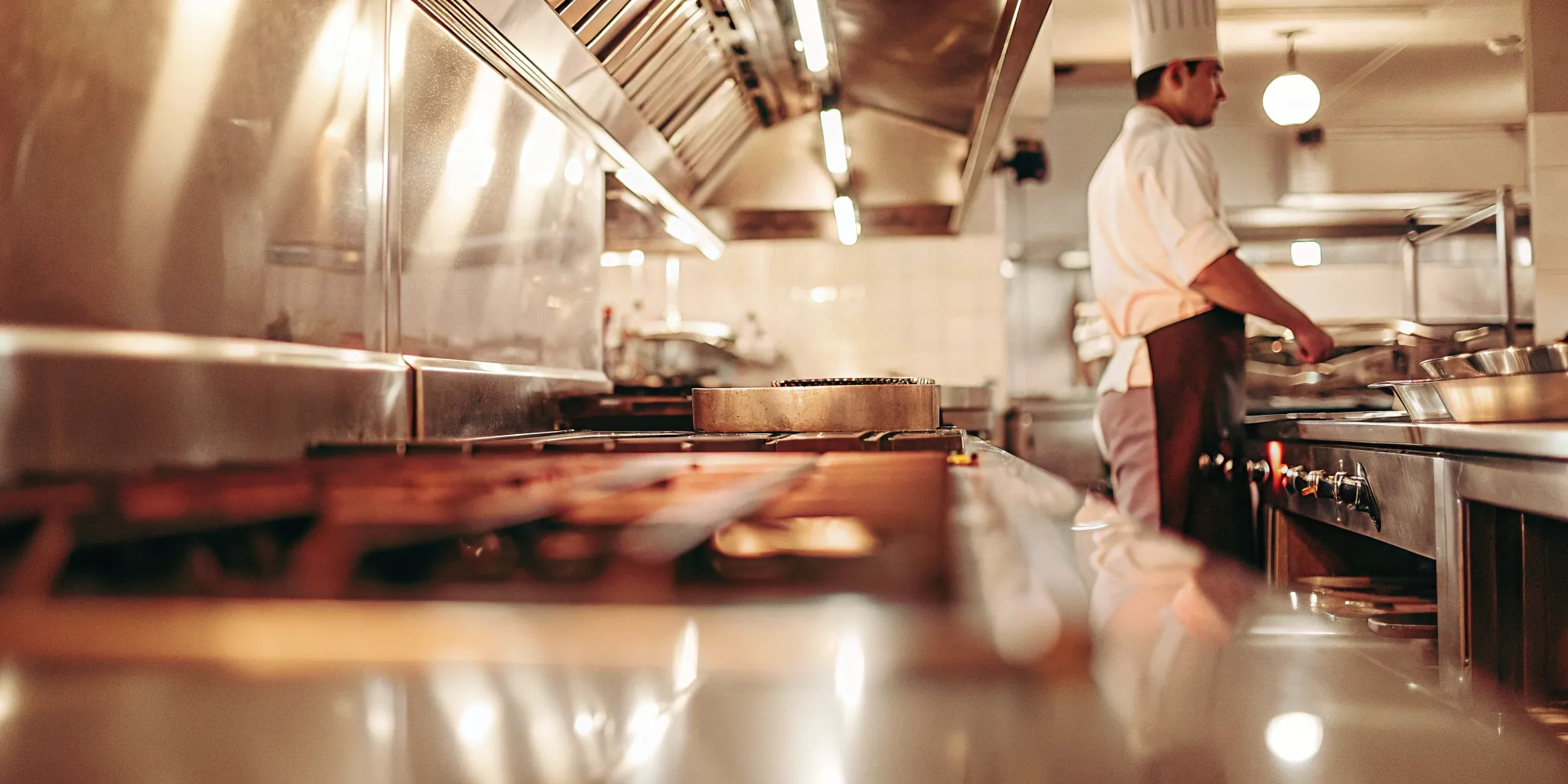
Your six-burner range just died during the dinner rush. Or maybe you’re finally ready to invest in a walk-in cooler that will completely change your kitchen’s workflow. The big question isn’t what you need, but how you’ll pay for it without wiping out your cash reserves. This is a common challenge for restaurant owners, where having the right tools is non-negotiable. The good news? You don’t have to drain your bank account. Understanding your options for restaurant equipment financing in Houston is the key to getting the gear you need to operate efficiently and grow your business.
Key Takeaways
- Match Your Financing to Your Restaurant’s Cash Flow: Look beyond traditional loans and consider options like revenue-based financing, where payments adjust with your sales. This flexibility can protect your budget during slower seasons and is a key factor in choosing the right funding partner.
- Get Organized for Faster Funding: The quickest way to get approved is to have your financial documents in order before you apply. Gathering recent bank statements, tax returns, and equipment quotes will significantly speed up the process and get you the gear you need without delay.
- Analyze the Total Cost, Not Just the Payment: A low monthly payment can be misleading if it comes with a long term and high interest. Always evaluate the full loan structure—including the interest rate, fees, and repayment term—to understand the true cost of the equipment over time.
Your Guide to Restaurant Equipment Financing in Houston
Okay, you’ve picked out the perfect six-burner range and a walk-in cooler that will change the game for your kitchen. Now, how do you pay for it all without draining your cash reserves? Houston’s restaurant scene is competitive, and having the right equipment is non-negotiable. The good news is you have several financing paths to choose from. Each option has its own set of benefits and things to watch for, so let’s walk through the most common ways to fund your restaurant’s next big upgrade.
The Restaurant Industry Landscape
The restaurant world runs on cash flow. Every dollar counts, from payroll to produce, and that’s why dropping a huge sum on a new oven or freezer can feel so daunting—it ties up capital that could be used for marketing or covering a slow week. This is where equipment financing makes a huge difference. Instead of buying outright, you can make manageable monthly payments while the new gear generates revenue. This approach frees up your working capital so it’s not locked into a single piece of metal. Many financing partners offer flexible payment plans, sometimes stretching from 24 to 60 months, letting you match the payments to your business’s rhythm. On top of that, you may be able to deduct the cost of your equipment on your taxes, providing significant savings.
Weighing Traditional Bank and SBA Loans
Traditional banks and Small Business Administration (SBA) loans are often the first things that come to mind for financing. These can be great options, sometimes offering favorable interest rates and long repayment terms. However, the application process can be slow and demanding, requiring a mountain of paperwork and a stellar credit history. Banks often require you to put up collateral, like your personal assets or restaurant real estate, to secure the loan. An SBA loan can be a fantastic tool, but be prepared for a lengthy approval timeline that might not work if you need that new oven ASAP.
Should You Lease or Buy Your Equipment?
This is a classic dilemma: should you lease or buy your equipment? Leasing is like renting—you get lower upfront costs and predictable monthly payments, which is great for managing your budget. It’s an excellent choice for tech like POS systems that you’ll want to upgrade in a few years. On the other hand, buying means the equipment is yours outright. While the initial cost is higher, you build equity and can take advantage of tax depreciation. An equipment financing agreement helps you purchase the gear over time, so you get the benefits of ownership without the massive initial cash outlay.
Understanding Capital Leases
Think of a capital lease as a “rent-to-own” agreement for your restaurant equipment. The end goal is for you to own that shiny new convection oven or industrial mixer once the lease term is up. Because you’re working toward ownership, the monthly payments are usually a bit higher than with other lease types, and you’ll typically be responsible for any maintenance or repairs. This option is perfect if you know you want to own the equipment for the long haul but can’t swing the full purchase price or a hefty down payment right now. It bridges the gap, letting you get the equipment you need immediately while paying for it over time.
Exploring Operating Leases
An operating lease is essentially a long-term rental. You get to use the equipment for a set period, and at the end of the term, you can simply return it, renew the lease, or sometimes, buy it. The monthly payments are generally lower than a capital lease, and often the leasing company handles the maintenance, which is a nice perk. This is a fantastic choice if you like to keep your kitchen kitted out with the latest technology or if you want to test a piece of equipment before committing to a purchase. It gives you maximum flexibility to adapt as your menu and customer demands change.
Key Benefits of Leasing Equipment
Leasing offers some serious advantages for restaurant owners trying to manage their cash flow. First, it lets you acquire essential equipment without a massive upfront expense, leaving more money available for inventory, payroll, or marketing. The monthly payments are often lower than loan payments and can be a predictable operating expense. Plus, you can frequently get the gear you need without putting up other business assets as collateral. From a tax perspective, lease payments can often be deducted as a business expense, though you should always consult with a tax professional. Finally, leasing makes it easy to stay current with the latest culinary technology, helping you keep a competitive edge.
Is Revenue-Based Financing Right for You?
If the rigid payment schedules of traditional loans make you nervous, revenue-based financing might be the perfect fit. Instead of a fixed monthly payment, your repayments are a small percentage of your daily or weekly sales. This means when business is booming during rodeo season, you pay back a bit more, but when things slow down in August, your payment automatically adjusts. This flexibility is a lifesaver for restaurants with fluctuating cash flow. It protects you from being squeezed during a slow month, making it one of the most restaurant-friendly funding solutions available.
What Are Equipment-Specific Financing Programs?
Many lenders offer financing programs designed specifically for purchasing equipment. With these loans, the equipment you’re buying often serves as its own collateral, which can simplify the approval process and reduce the need for personal guarantees. You’ll likely need to provide quotes or supplier agreements from your vendor to show the lender exactly what you’re buying and how much it costs. These programs are streamlined because the lender understands the value of the asset they’re helping you acquire. It’s a direct and efficient way to get the tools you need to grow your business.
Supplier-Based Financing Platforms
Sometimes the most direct path to financing is through the company selling you the equipment. Many suppliers have their own in-house financing programs or partnerships with lenders to make the purchasing process smoother for their customers. This can be a convenient, one-stop-shop solution, as the supplier already knows the value and specifications of the equipment you’re buying. The application is often integrated into the sales process, saving you time. Just be sure to read the fine print and compare their terms with other lenders to ensure you’re getting a competitive rate and a payment structure that works for your restaurant’s budget.
Exploring Alternative Funding Methods
When traditional bank loans feel out of reach or too slow for your needs, it’s time to look at other ways to get funded. The world of business financing has expanded far beyond the local bank branch, offering creative solutions that are often faster and more flexible. These alternatives are designed for the realities of running a small business, where cash flow can be unpredictable and opportunities need to be seized quickly. From leveraging future sales to tapping into your community for support, these methods provide different avenues to get the capital you need to purchase essential equipment and keep your restaurant moving forward.
Merchant Cash Advance
A Merchant Cash Advance (MCA) is an option if you need cash in a hurry. Here’s how it works: a provider gives you a lump sum of cash upfront in exchange for a percentage of your future credit and debit card sales. You repay the advance automatically as your customers make purchases. While MCAs are known for their speed and high approval rates, they can also come with high costs. It’s crucial to understand the total payback amount and how the daily withdrawals will impact your cash flow before committing. This can be a useful tool for a short-term emergency, but it’s important to weigh the convenience against the expense.
Crowdfunding
Crowdfunding platforms like Kickstarter or GoFundMe allow you to raise money directly from your community and customer base. Instead of seeking one large loan, you gather small contributions from many people who believe in your restaurant’s vision. This method is not just about the money; it’s a powerful marketing tool that can build buzz and a loyal following before you even install the new equipment. You typically offer rewards—like a free dinner, merchandise, or exclusive event access—in exchange for pledges. It requires a strong story and a solid marketing push, but it can be an incredible way to fund a project while strengthening your connection with patrons.
Restaurant Investors
Bringing on an investor is a much bigger step than taking out a loan. When you accept money from an angel investor or a venture capital firm, you are typically selling a piece of your business ownership, or equity. This means you’re not just getting a check; you’re gaining a business partner who will have a say in your operations and share in your future profits. This path is usually reserved for significant expansions, opening new locations, or launching a new concept rather than just buying a single piece of equipment. It’s a long-term commitment that requires careful consideration and alignment on vision and goals.
Finding Flexible Payment Structures
Your restaurant’s revenue isn’t a flat line—it has peaks and valleys. So why should your loan payment be a rigid, fixed amount that doesn’t account for that? The best financing partners understand the seasonal nature of the hospitality industry and offer flexible payment structures that align with your actual cash flow. This approach protects your business during slower months and allows you to pay back more when you’re busy, creating a more sustainable and less stressful financial situation. When evaluating your options, always ask about how the repayment plan can be tailored to your restaurant’s unique rhythm.
Seasonal Payment Plans
For a Houston restaurant, revenue can swing dramatically between a slow August and a packed rodeo season. A seasonal payment plan is designed for exactly this reality. With this structure, your payments are higher during your peak months when cash is flowing and lower during the off-season when you need to preserve your capital. This common-sense approach prevents you from feeling squeezed when business naturally dips. Working with a financial partner who offers this kind of flexibility shows they understand your industry and are invested in your long-term success, not just collecting a check. It’s a smart way to secure funding without adding unnecessary stress to your slow season.
Deferred Payment Options
Imagine getting that new, high-efficiency oven installed and running for a month or two before you even have to make your first payment. That’s the advantage of a deferred payment option. This structure gives you a grace period to get your new equipment up and running—and generating revenue—before the repayment schedule kicks in. This can be a huge relief for your cash flow, giving you time to cover installation costs and adjust to the new workflow. It’s an especially helpful feature when you’re purchasing a major piece of equipment that is central to increasing your kitchen’s output and profitability.
Is Restaurant Equipment Financing a Smart Move?
Deciding whether to finance your restaurant equipment is a major financial choice, and honestly, there’s no single right answer. It really comes down to your restaurant’s specific situation—your cash flow, your long-term goals, and how comfortable you are with debt. Financing can be a fantastic tool that gets you the gear you need to operate and grow without draining your bank account all at once. On the other hand, it can lead to higher costs over time if you’re not careful.
The key is to weigh the immediate benefits against the long-term costs. Think about it this way: getting that state-of-the-art espresso machine could immediately increase your coffee sales, making the monthly payment more than worth it. But financing every single pot and pan might not be the most strategic move. Let’s walk through the pros and cons so you can make a smart, informed decision for your business.
The Upside: Keep Your Cash and Get New Gear
One of the biggest wins of financing is that it protects your cash flow. Instead of a massive upfront payment for a new oven or walk-in freezer, you can make smaller, predictable monthly payments. This keeps more cash on hand for other essential expenses like payroll, inventory, and marketing. It’s a strategic way to manage your budget without sacrificing quality.
Plus, financing gives you access to the latest and greatest equipment. The restaurant industry is always evolving, and having modern, efficient tools can give you a real competitive edge. Better equipment can mean faster service, higher quality food, and even lower utility bills. With an equipment financing plan, you can get the tech you need to impress customers and streamline operations right away.
The Downside: Higher Costs Over Time
While financing saves you from a large initial expense, it’s important to remember that it will likely cost you more in the long run. Interest and fees add up, and the total amount you pay over the life of the loan will be higher than the equipment’s sticker price. You’re paying for the convenience of spreading out the cost.
Another point to consider is ownership. If you lease the equipment, you won’t own it at the end of the term, and you might face limitations on how you can customize or modify it. This can be a drawback if you have specific needs for your kitchen setup. Always calculate the total cost of ownership to see if the long-term expense fits within your financial plan before signing any agreement.
Leasing vs. Buying: What Are the Tax Benefits?
Taxes are another piece of the puzzle, and both financing and buying have potential benefits here. When you lease equipment, your monthly payments can often be deducted as an operating expense, which can lower your taxable income each year. This provides a consistent, predictable tax benefit throughout the lease term.
On the other hand, if you purchase the equipment (even with a loan), you can take advantage of depreciation deductions. The IRS allows businesses to deduct the cost of assets over time as they wear out. This can sometimes result in a larger deduction, especially in the first year. It’s always a great idea to chat with your accountant to figure out which approach makes the most sense for your restaurant’s financial health.
Leveraging the Section 179 Tax Deduction
Let’s talk about a major perk of buying your equipment: the Section 179 tax deduction. Think of it as a powerful tax break designed to help businesses like yours invest in themselves. This IRS provision allows you to deduct the full purchase price of qualifying new or used equipment from your gross income in the year you put it into service. For example, if you finance a $20,000 commercial oven and your business is in a 30% tax bracket, you could potentially reduce your tax bill by $6,000. This effectively lowers the real cost of that oven to just $14,000. The best part? This applies even when you use an equipment financing plan. You get the immediate operational benefits of the new gear and the full tax deduction now, without paying the full price upfront. Tax rules have specifics, so it’s always smart to chat with your accountant to make sure you’re taking full advantage of the Section 179 deduction for your restaurant.
What Types of Restaurant Equipment Can You Finance?
When you think about restaurant equipment, the big, shiny stainless-steel appliances probably come to mind first. But the great news is that you can finance nearly every piece of equipment your Houston restaurant needs to run smoothly, from the front of the house to the back. Equipment financing is designed to be flexible, covering everything from a single replacement oven to a complete kitchen overhaul. This allows you to get the specific tools you need to create your signature dishes and serve your customers efficiently without tying up all your working capital in upfront costs.
Whether you’re launching a new concept or upgrading your existing space, financing helps you acquire the assets that generate revenue. This includes not just cooking equipment but also the technology that streamlines your operations and the furniture that creates a welcoming atmosphere for your guests. Think of it as a strategic way to invest in your restaurant’s future, ensuring you have a reliable and modern setup that can handle the daily demands of a busy service. The goal is to equip your business for success, and
Financing Your Core Kitchen Equipment
The heart of your restaurant is the kitchen, and it needs to be outfitted with reliable, high-performance gear. You can finance all the essentials, including commercial ovens, ranges, grills, deep fryers, and mixers. Instead of settling for used or lower-quality items, financing allows you to get the professional-grade equipment you truly want. By leasing restaurant equipment instead of buying it outright, you can get the benefits of having top-of-the-line gear without the high initial expense. This keeps your kitchen running efficiently, reduces the risk of breakdowns during a busy dinner rush, and ensures your culinary team has the tools they need to produce consistently great food.
Covering Refrigeration and Storage Needs
Proper food storage is non-negotiable for food safety, quality control, and inventory management. Financing can cover all your refrigeration needs, from walk-in coolers and freezers to under-counter refrigerators and refrigerated prep tables. These pieces of equipment are critical for keeping ingredients fresh and minimizing waste, which directly impacts your bottom line. When you apply for a loan for these big-ticket items, lenders will need to review key financial documents to determine your qualifications. Having your paperwork in order will make the process of securing funding for these essential assets much smoother.
Funding Your POS System and Other Tech
Modern restaurants run on technology. A powerful Point-of-Sale (POS) system is the central hub for orders, payments, and sales tracking, while kitchen display systems (KDS) keep the line moving. You can finance your entire tech stack, including POS terminals, software, receipt printers, and even security systems. This technology not only improves operational efficiency but also enhances the customer experience. To get funding for these systems, you’ll need to prepare all necessary financial documentation for the loan application, which typically includes business tax returns and financial statements. Investing in the right tech helps you manage your business more effectively and make data-driven decisions.
How to Apply for Restaurant Equipment Financing
Once you’ve decided financing is the right move for your Houston restaurant, the application process is your next step. It’s more straightforward than you might think, especially with modern lenders. The key is being prepared. By understanding what lenders need and what the process looks like, you can move through it quickly and confidently. Let’s walk through the three main stages so you know exactly what to do.
Tips for a Successful Application
A successful application isn’t just about filling out forms; it’s about presenting a clear and compelling case for your business. Lenders want to see that you have a solid plan and understand your own finances. Taking the time to get organized before you apply can make a world of difference, turning a potentially stressful process into a smooth and efficient one. Think of it as your mise en place—having everything prepped and ready to go ensures a better outcome. A little preparation shows that you’re a serious business owner who is ready for the next stage of growth.
Preparing Your Financial Documents
The fastest way to get an approval is to have your financial documents organized before you even start the application. Lenders will need a clear picture of your restaurant’s financial health to make a decision. You should gather a few key items: recent business bank statements (usually the last three to six months), your most recent tax returns, and any quotes or invoices for the equipment you plan to purchase. Having this information ready will significantly speed up the process and get you the funding you need without unnecessary delays. It demonstrates that you’re prepared and makes the underwriter’s job much easier, which always works in your favor.
Practicing Your Pitch
Beyond the numbers, be ready to tell the story of your restaurant. Why do you need this specific piece of equipment, and how will it impact your business? You should be able to quickly and clearly explain your vision, what makes your restaurant special, and exactly how the funding will be used to generate more revenue. Whether you’re talking to a loan officer or filling out an application field, a concise and confident explanation matters. Practice articulating your plan so you can present your request effectively. This shows lenders that you’ve thought through your strategy and are making a smart investment in your future.
What Paperwork Will You Need?
Having your paperwork in order before you apply makes everything go much smoother. Most lenders need a standard set of documents to see your business’s financial health. Be ready to provide recent business tax returns and bank statements. Depending on the lender, you might also need to share supplier agreements or quotes for the new gear, along with proof of business insurance. Collecting these files upfront means you can start your application without any delays, getting you one step closer to that new oven.
How Lenders Evaluate Your Application
Lenders want to see a stable business that can handle new payments. They’ll typically look at your credit scores, annual revenue, and how long you’ve been in business. Stronger numbers generally lead to better terms. However, don’t let a less-than-perfect credit score stop you. Many modern financing partners, including Advancery, look at your business’s overall health and welcome all credit types. They understand a credit score is just one part of your story. The most important thing is showing consistent revenue and a solid plan for using the new equipment financing to grow.
How Long Does Approval Usually Take?
Waiting for a funding decision is stressful, especially when a broken-down freezer is hurting your bottom line. The good news is you won’t be left waiting for weeks. The approval process for equipment financing is much faster now. With many online lenders, you can expect a decision within 24 to 48 hours. At Advancery, we know restaurant owners can’t afford to wait. Our process is built for speed—we offer same-day approvals and can often get funds to you within hours. This lets you buy the equipment you need immediately and get back to business.
The Speed of Online Applications and Approvals
In the fast-paced restaurant world, waiting for a funding decision is rarely an option, especially when a critical piece of equipment fails mid-service. Thankfully, many online lenders have streamlined their processes to match your urgency. The application itself can often be completed in less than five minutes, with a final approval decision typically arriving within 24 to 48 hours. This rapid turnaround is a game-changer for restaurant owners facing an urgent need, like a broken freezer during a heatwave or a malfunctioning oven right before the weekend rush. It means you can solve problems quickly instead of losing revenue while waiting on a slow-moving bank.
Some lenders take speed a step further. Here at Advancery, we understand that even a 24-hour wait can feel like an eternity when your kitchen is down. Our process is built for this reality—we offer same-day approvals and can often get funds into your account within hours of you hitting ‘submit.’ This level of efficiency means you can get the equipment you need immediately, minimizing disruptions and protecting your cash flow. By leveraging fast, transparent financing, you can ensure you have the right tools to serve your customers effectively without missing a beat.
How to Choose the Right Financing Provider
Finding the right financing partner is just as important as picking the right piece of equipment. The best provider for your Houston restaurant will offer terms that fit your budget, move at the speed your business requires, and understand your specific needs. It’s not just about getting a check; it’s about building a relationship with a lender who supports your growth. As you evaluate your options, focus on three key areas: the cost, the speed, and the service. Thinking through these factors will help you find a partner who makes the process smooth and sets you up for success.
Comparing Rates, Terms, and Hidden Fees
When you’re looking at financing options, it’s easy to focus only on the interest rate. While important, the rate is just one part of the total cost. Equipment financing rates can range anywhere from 4% to 30%, so it’s crucial to understand what you’re being offered. Look beyond the rate and ask about any additional costs, like origination fees or prepayment penalties. You should also consider the loan term—a longer term might mean a lower monthly payment, but you could pay more in interest over time. The goal is to find a transparent partner who clearly explains all the costs involved, allowing you to find the best equipment financing solution for your restaurant’s financial health.
How Quickly Do You Need the Funds?
In the restaurant world, you can’t afford to wait. When a critical piece of equipment breaks down, you need a replacement immediately to keep serving customers. A lengthy loan approval process can mean days of lost revenue. While some traditional lenders can take several days to approve an application, many modern financing providers understand the need for speed. Look for a partner that offers a streamlined application and quick funding. At Advancery, we’ve designed our process to deliver approvals the same day you apply, with funds often available within hours. When time is money, a fast and efficient application process can make all the difference.
Don’t Forget About Coverage and Support
Before you commit to a lender, make sure they can finance the specific equipment you need. Whether it’s a state-of-the-art POS system, a custom walk-in freezer, or a new range, confirm that it’s covered under their financing agreement. Some lenders may also ask for extra documents like supplier agreements, so it’s good to know what’s required upfront. Beyond the logistics, consider the quality of customer service. If you have a question or run into an issue, you’ll want a responsive and helpful team on your side. A provider with excellent support shows they are invested in your success, not just the transaction. You can often get a feel for a company’s approach by reading about how they work with clients.
How Much Financing Can You Get?
This is the big question, right? You’ve found the perfect six-burner range or a high-capacity ice machine, and now you need to know how much funding you can actually secure to bring it into your kitchen. The amount you can get for restaurant equipment isn’t a random number; it’s based on a clear assessment of your business’s financial health and stability. Lenders want to see that you have a solid foundation and can comfortably manage the payments.
Think of it like a partnership. A financing provider is investing in your restaurant’s success, so they look at specific indicators to determine a loan amount that sets you up for growth, not stress. Key factors include your business’s revenue, how long you’ve been operating, and your credit history. They’ll also consider the value of the equipment itself, as it often serves as collateral for the loan. By understanding what lenders are looking for, you can approach the application process with confidence and a realistic expectation of the funding you can receive. It’s all about painting a clear picture of your restaurant’s potential and showing that this new equipment is a smart investment for your future.
What Factors Determine Your Loan Amount?
When a lender reviews your application, they’re looking at a few key pieces of your financial puzzle. Primarily, they’ll look at your business revenue, credit score, and how long you’ve been in business to gauge your stability. Consistent revenue shows you have the cash flow to handle new payments, while a longer operational history demonstrates resilience. Lenders may also want to see a clear business plan, especially if you’re a newer establishment. This helps them understand your vision and how the new equipment fits into your growth strategy. Having this information ready will streamline your search for the right equipment financing.
How Your Credit Score Impacts Your Options
Your credit score is definitely a piece of the puzzle, but it’s not the whole picture. A higher credit score can certainly open doors to more favorable loan terms and lower interest rates, as it signals a history of responsible borrowing. However, many modern financing partners understand that a single number doesn’t define your business. They often look beyond credit scores, placing more weight on your recent revenue and overall profitability. So, if your credit isn’t perfect, don’t count yourself out. The best way to know where you stand is to see what you qualify for by speaking with a provider who considers your restaurant’s complete financial health.
Understanding Minimum Credit Score Requirements
Let’s be real: worrying about a minimum credit score can be stressful. Traditional banks often have rigid requirements, sometimes looking for scores of 680 or higher, which can feel like a major hurdle. But here’s the good news: the financing world has changed. Many modern lenders, including us at Advancery, know that a credit score is just one snapshot in time. We look at your restaurant’s complete financial story. Consistent monthly revenue, a healthy cash flow, and how long you’ve been serving happy customers are often more important indicators of your ability to succeed. So, even if your credit history has a few bumps, it doesn’t automatically close the door on getting the equipment financing you need to grow.
Who Offers Restaurant Equipment Financing in Houston?
When you’re ready to find a financing partner, you’ll discover you have plenty of options right here in Houston and beyond. From specialized lenders who understand the restaurant industry inside and out to local banks and national companies, the key is finding the right fit for your specific needs. It’s smart to compare a few different providers to see who offers the best terms, understands your vision, and can move at the speed your business requires. Taking the time to explore your options will help you secure the funding you need with a partner you can trust.
Why Choose Advancery for Your Equipment Financing
We designed our equipment financing solutions specifically for the fast-paced world of restaurants. We know that your sales can ebb and flow, which is why we offer flexible options like revenue-based financing. With this model, your payments adjust with your cash flow, so you’re not stretched thin during slower months. Our goal is to get you the capital you need for that new oven or walk-in cooler without the rigid requirements of traditional loans. We focus on a streamlined, empathetic process that delivers funding quickly, often within hours, so you can get back to what you do best—running your restaurant.
Comparing Local Lenders in Houston
It’s always a good idea to see what local lenders have to offer. Houston has several well-regarded providers that specialize in business financing. Companies like 3T Funding, Catamount Funding, and Ascentium Capital have earned positive reviews from local business owners. You can find a list of top-rated business financing options in Houston to start your research and compare their services. Additionally, providers like Greenbox Capital are known for offering immediate restaurant funding, which is a great choice if you need to get your equipment up and running without delay.
Should You Work With a National Lender?
Looking beyond local providers can open up even more possibilities. National financing companies often have a wide range of products, and their rates for equipment financing typically fall between 4% and 30%, depending on your qualifications and the loan type. Some national lenders offer traditional term loans that might require collateral, like your personal assets or existing business equipment. For a deeper look into the different loan types and what might work for you, a comprehensive restaurant financing guide can be an excellent resource to help you understand the landscape before you apply.
What If You Have Bad Credit?
A less-than-perfect credit score can feel like a major roadblock when you need to finance essential restaurant equipment. But it’s far from a dealbreaker. Many restaurant owners have been in your shoes, and plenty of financing providers understand that a credit score is just one piece of your business’s story. It’s important to remember that your personal credit score and your business credit score are two different things, and while lenders look at both, your business’s health often carries more weight.
Instead of focusing solely on a three-digit number, many modern lenders look at the bigger picture: your restaurant’s monthly revenue, its operating history, and its potential for growth. The key is to know where to look and how to position your business for success. While a traditional bank might say no, alternative lenders and specialized financing companies often have more flexible requirements. At Advancery, we believe in looking at your business’s actual performance to find a solution that works. Our equipment financing is designed to help you get the tools you need to grow, regardless of your credit history. The following sections will walk you through finding the right partners and taking steps to strengthen your financial standing for the future.
Financing Options for Less-Than-Perfect Credit
When your credit score is a concern, your best bet is to look beyond traditional banks. Many alternative lenders specialize in working with business owners who have unique financial histories. Companies like these often have different approval criteria, placing more emphasis on your recent sales and cash flow than on past credit issues. Some providers, for example, approve businesses with all kinds of credit scores and don’t perform a “hard credit check,” which means applying won’t hurt your personal score.
This approach allows them to fund businesses that are otherwise healthy and growing. If you need immediate funding to replace a broken oven or upgrade your POS system, these lenders can be a lifeline. The first step is to submit an application with a provider that values your business’s real-time performance.
How to Build Your Business Credit for Better Terms
While you can secure financing with bad credit, working to improve your business credit score is a smart long-term strategy. A stronger credit profile will open doors to better terms, lower interest rates, and larger loan amounts in the future. Lenders typically look at your credit score, business revenue, and how long you’ve been in business to determine your eligibility. You can start building a better credit history today by paying all your suppliers and bills on time and keeping your business finances completely separate from your personal accounts.
Another key step is to have your financial documents organized and ready. Keeping your tax returns, bank statements, and profit and loss statements up-to-date shows lenders that you’re a serious and organized operator. Think of it as building a foundation for your restaurant’s financial future with a partner who wants to see you succeed.
Common Restaurant Financing Mistakes to Avoid
Securing the right equipment is a huge step toward making your Houston restaurant a success, but the financing journey has its share of potential pitfalls. It’s easy to get caught up in the excitement of new ovens and walk-in coolers, but a small mistake in your financing agreement can have long-lasting consequences for your business’s financial health. Taking a moment to be thorough and strategic can save you from headaches and unexpected costs down the road.
Think of it this way: choosing your financing is just as important as choosing your equipment. The right partner and the right terms will set you up for sustainable growth, while the wrong ones can strain your cash flow and limit your options. We’ve seen it all, and we want to help you sidestep the most common errors restaurant owners make. By being aware of these mistakes, you can approach the process with confidence and make a decision that truly serves your business goals. Let’s walk through what to watch out for.
Mistake #1: Overlooking the Total Cost of the Loan
It’s tempting to focus on the price tag of the equipment, but that’s only one piece of the puzzle. The true cost of financing goes far beyond the initial purchase price. Choosing between leasing and buying is a major strategic decision that impacts your cash flow, taxes, and overall growth potential. You need to consider the total cost of ownership, which includes interest rates, origination fees, insurance requirements, and potential maintenance costs over the life of the loan. A seemingly cheaper option upfront might carry hidden fees or higher long-term expenses. Always ask for a complete breakdown of costs to understand the full financial commitment before you sign anything.
Mistake #2: Focusing Only on the Monthly Payment
A low monthly payment can look incredibly appealing, especially when you’re managing a tight budget. However, this is often a red flag. Lenders can stretch out the repayment term to lower the monthly amount, but this usually means you’ll pay significantly more in interest over the life of the loan. Instead of fixating on that one number, evaluate the entire loan structure. A good financing partner will look at your complete financial picture—including your business plan and cash flow—to find a solution that works. Sometimes, a slightly higher payment on a shorter business term loan is the smarter move, saving you money and getting you out of debt faster.
Mistake #3: Skipping the Fine Print
Your financing agreement is a legally binding contract, and you should treat it as such. The fine print contains crucial details that can make or break your experience. Look carefully for information on prepayment penalties, late fees, and what happens if you default. If you’re leasing, understand the end-of-lease terms—do you have the option to buy the equipment, and at what price? Being prepared with all your financial documentation makes the application process smoother, and that same level of diligence should be applied when reviewing the contract. If you’re ready to get started with a transparent partner, you can apply now with Advancery.
Ready to Apply for Restaurant Equipment Financing?
Ready to take the next step? Applying for equipment financing is a lot less intimidating when you know what to expect. The key to a smooth process is getting your financial documents organized before you begin. It’s the best way to show lenders you’re prepared and serious about your business growth.
Lenders need a clear picture of your restaurant’s financial health to make a decision. This usually means you’ll need to pull together recent business tax returns, bank statements, and sometimes financial projections for your restaurant. Having these files ready to go not only makes you look organized but also significantly speeds up the entire process. Think of it as your financial toolkit for getting the funding you need without any unnecessary delays.
Once you submit your paperwork, the approval process is often surprisingly fast. Many lenders, including us at Advancery, can give you a decision within 24 to 48 hours. Don’t be surprised if a lender asks for a bit more information, like a supplier agreement for that new walk-in freezer or a copy of your business insurance policy. This is a standard part of due diligence, so having those details handy will keep things moving forward.
When you have your documents in order, you’re all set. The final step is to fill out our simple application to get the process started. You’re just one step away from outfitting your Houston restaurant with the gear it needs to thrive.
Related Articles
- How to Get Equipment Financing With No Money Down
- Equipment Financing – Advancery Business Financing
- How to Get Equipment Financing: A Simple Guide
- Commercial Equipment Financing in Los Angeles: A Guide
Frequently Asked Questions
How quickly can I actually get the funds for my equipment? This really depends on the provider you choose. Traditional banks can take weeks, which isn’t helpful when your main oven breaks down mid-week. Modern lenders, however, are built for speed. Many can give you a decision in a day or two, and at Advancery, we often provide same-day approval with funding in your account within a few hours. The key is having your documents ready to go when you apply.
Do I need to offer up my personal assets as collateral? Not necessarily. This is a common requirement for traditional bank loans, but many equipment financing options are structured differently. Often, the equipment you are purchasing serves as its own collateral. This means you don’t have to put your personal home or other assets on the line, which significantly reduces your personal risk. Always be sure to clarify the collateral requirements with any potential lender.
My restaurant’s sales are seasonal. How will that affect my payments? This is a fantastic question because it gets to the heart of why choosing the right financing type matters. If you opt for a traditional term loan, you’ll have a fixed monthly payment regardless of whether it’s a slow Tuesday in August or a packed Saturday during the holidays. However, with a flexible option like revenue-based financing, your payment is a percentage of your sales. This means your payment is lower during slow periods and a bit higher when cash is flowing, which can be a huge relief for managing your budget.
What if my restaurant is fairly new? Can I still qualify for financing? While having a few years of operation under your belt can make things easier, it doesn’t automatically disqualify you if you’re a newer business. Many modern lenders place more weight on your recent revenue and cash flow than on your time in business. If you can show consistent sales and have a solid business plan, you still have a great shot at getting approved. Be prepared to provide recent bank statements that show your restaurant’s performance.
What’s the real difference between an equipment loan and a lease? Think of it as the difference between buying and renting a house. With an equipment loan, you are borrowing money to purchase the asset. You make regular payments, and at the end of the term, you own the equipment outright. With a lease, you are essentially renting the equipment for a set period. Your monthly payments are typically lower, but you don’t own the equipment at the end unless you have a buyout option. A loan is about ownership, while a lease is about having lower upfront costs and the ability to upgrade easily.